

How to Plan Office Rides Your Team Will Love

A team wellness event should not feel like another meeting with matching T-shirts. The best office rides give people a reason to leave their desks, move to the beat, laugh at themselves a little, and head home feeling lighter. If you are wondering how to plan office rides that people genuinely want to attend, start with one simple idea: make it about the experience, not performance.
Indoor cycling works beautifully for teams because everyone can ride at their own pace while still sharing the same room, playlist, and energy. There is no need for anyone to be the fastest, strongest, or most coordinated person in the office. Just show up, clip in, and have a good time.
Start With a Clear Reason to Ride
Before you choose a date or collect names, decide what the ride is for. A clear purpose helps you shape the invitation, timing, and vibe without making the event feel overly formal.
Maybe your team has just wrapped a demanding project and needs a proper release. Maybe new hires are joining and you want a low-pressure way for people to connect beyond Slack. Or perhaps you are building a regular wellness habit that gives colleagues something positive to look forward to each month.
The purpose does not need to be serious. “Friday reset,” “midweek sweat break,” or “team night out, but make it active” can be more than enough. What matters is that the message feels inviting. Office rides land best when they are framed as a shared treat, not a compulsory fitness test.
Choose a Time People Can Actually Make
Convenience decides attendance. For most office teams, an after-work slot is the easiest choice, especially if the studio is within a manageable distance from the office or home. A lunchtime ride can also work for teams with flexible schedules, but give riders enough time to freshen up and get back to their day.
Avoid assuming that everyone has the same availability. Parents, caregivers, shift workers, and colleagues with long commutes may find one time much harder than another. If the group is large, send a quick poll with two or three realistic options before booking. It is a small step that says, “We want you there,” rather than, “Fit this into your life somehow.”
For a first event, a weekday evening is usually a safe bet. Keep the plan simple: ride, quick group photo if people are into it, then dinner or drinks nearby for anyone who wants to continue the catch-up. Nobody should feel obliged to do every part.
How to Plan Office Rides for Every Fitness Level
This is the part that makes or breaks the experience. In any workplace, you will have regular gym-goers, people who have not exercised in months, and colleagues who are curious but nervous about indoor cycling. A good office ride creates space for all of them.
Say upfront that beginners are welcome. Be specific: riders can adjust resistance, take breaks, and choose their own intensity. They do not need special experience, expensive gear, or perfect rhythm. The goal is to smile, sweat, and maybe sing along - not to earn a medal.
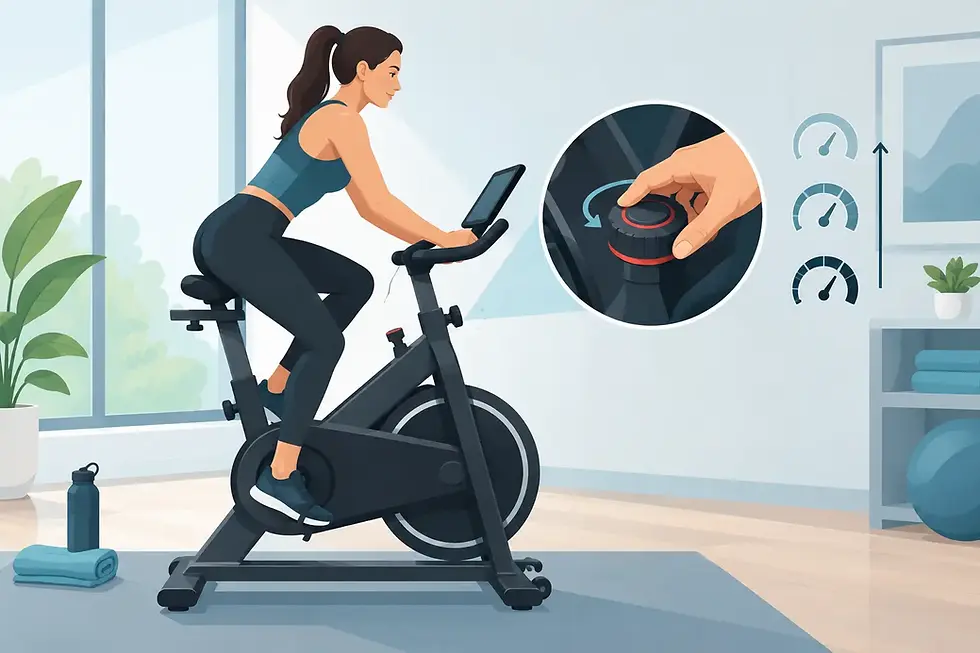
When selecting a studio or arranging a private session, ask whether the instructor can offer clear first-timer guidance. Bike setup, resistance cues, and options for staying seated can make a huge difference to someone who is trying cycling for the first time. A supportive instructor should energize the room without putting anyone on the spot.
It also helps to ask participants privately about access needs, injuries, or concerns. You do not need a long medical questionnaire. A simple note in the sign-up message - “Let us know if there is anything that would help you feel comfortable” - is enough to open the door.
Make the Booking and Payment Feel Effortless
Enthusiasm can disappear quickly when booking feels complicated. Assign one friendly organizer to handle the basics: headcount, confirmation deadline, payment process, and studio communication. Keep updates in one place so people are not searching through a busy group chat for details.
If the company is funding the event, confirm the budget early and make clear what is covered. If riders are contributing, give a firm cost and payment deadline before finalizing the booking. No one enjoys an awkward last-minute reminder about money.
Private rides are often a great option for teams because the room feels like your own. Your colleagues can relax, cheer each other on, and enjoy a playlist built for the occasion. For smaller groups or recurring wellness programs, corporate ride passes may offer more flexibility. The right choice depends on your group size, budget, and whether you want a one-off celebration or an ongoing team perk.
At Sync Cycle, a private ride can turn a standard team activity into a music-led group memory, with the no-pressure energy that helps first-timers feel at home.
Set Expectations Before Anyone Arrives
A short pre-ride message prevents most first-timer worries. Send it 24 to 48 hours ahead, when people are more likely to read it and act on it. Include the arrival time, what to wear, whether cycling shoes are provided, and whether riders should bring water and a towel.
You should also let people know that they do not have to match the room’s intensity. This matters more than organizers often realize. Someone who worries they will be left behind is much more likely to cancel than someone who knows they are free to take it easy.
A useful message can be warm and direct: “Come as you are. Wear workout clothes you can move in, arrive 15 minutes early for bike setup, and ride at your own pace. No experience needed.” That is all most people need to hear.
Build the Energy Without Making It Cringey
Office rides should feel social, but forced fun is still forced. Skip elaborate icebreakers and give people natural ways to connect instead. Invite teammates to submit a few song requests, create a playful event name, or encourage everyone to wear one shared color if your group enjoys that sort of thing.
Music is especially powerful in a cycling class. A playlist can bring different personalities together faster than a formal introduction ever could. Ask the instructor whether requests are possible, but do not overmanage every track. Part of the fun is letting the room respond together when a familiar chorus comes on.
If your team culture is more reserved, keep it low-key. A welcoming invitation, a good class, and a casual post-ride snack may be exactly right. If your group loves a theme, go bigger. The best format is the one that feels true to your people.
Plan for the Details That Keep the Mood Good
A few practical choices protect the fun. Ask everyone to arrive early enough for bike adjustments, especially if beginners are joining. Late arrivals can feel flustered, and rushing setup is not ideal.
Think about what happens after the ride, too. Some teammates will want to chat, eat, or celebrate. Others will need to head straight home. Make any post-ride plan optional, and choose somewhere easy rather than turning it into a second event people have to commit to.
Finally, do not judge success only by the final headcount. A smaller group that feels included, energized, and keen to return is better than a packed room where half the riders felt pressured. Ask for quick feedback afterward: What did people enjoy? Was the timing right? Would they join another ride? Those answers will help you shape the next one.
The real win is not a perfect turnout or a polished photo. It is hearing someone say, “I did not think I would enjoy that, but I had so much fun.” Plan around that feeling, and your office ride can become the kind of team tradition people happily make time for.


Comments