

An Indoor Cycling Studio Review That Matters

A great indoor cycling studio review should tell you more than whether the room has nice lighting and a playlist with good taste. The real question is simpler: will you feel comfortable walking in, getting on the bike, and coming back next week?
For plenty of people, trying a spin class is less about fitness level and more about nerves. Will everyone else know what they are doing? Is the instructor going to call you out? Do you need special shoes, perfect rhythm, or the confidence of a seasoned rider? The right studio makes those worries fade fast. You should be able to smile, sweat, sing along if the mood strikes, and leave feeling like you did something good for yourself.
What an indoor cycling studio review should actually assess
A boutique cycling studio is an experience, not just a workout room. The bikes matter, of course, but so do the people, the coaching, the sound system, and the little details that make a class feel easy to join.
The welcome matters before the warm-up
Your first few minutes set the tone. A good studio team greets first-timers without making a big production of it. They explain where to put your things, help set up the bike, and let you ask questions without rushing.
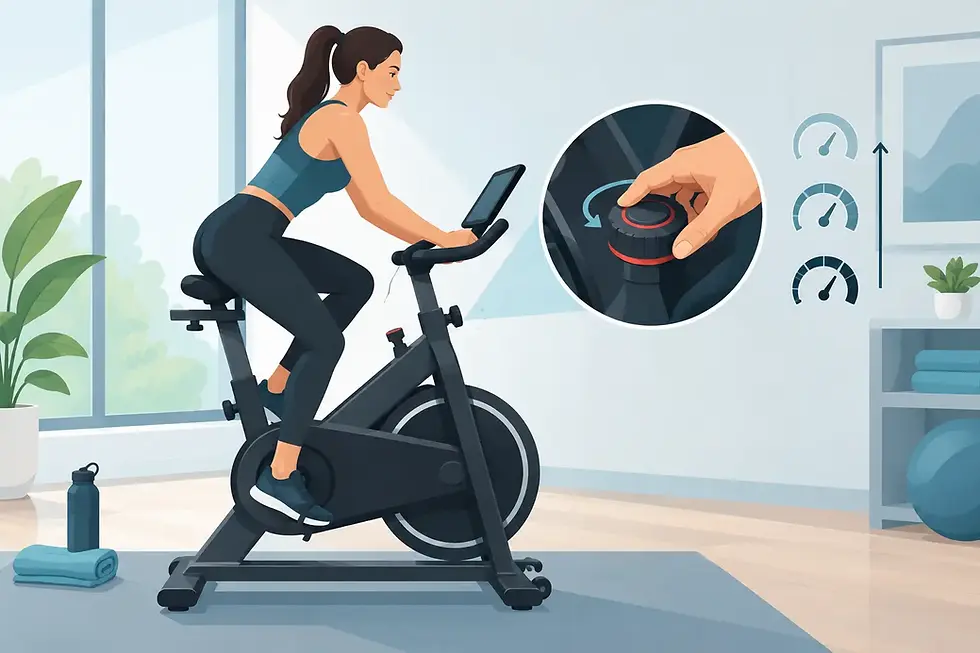
Bike setup is especially important. Small adjustments to saddle height, handlebar position, and resistance can make the difference between a ride that feels challenging in a good way and one that leaves your knees unhappy. Beginners should never be expected to figure it all out alone.
The best welcome is warm but low-pressure. You are there to move, not to prove anything. Whether you want to push hard, take it steady, or simply get through your first class, that choice should be respected.
Coaching should guide, not intimidate
A high-energy instructor can transform a 45-minute ride. But energy and pressure are not the same thing. Strong coaching gives you clear cues, offers options, and helps the room move together without making anyone feel behind.
Listen for practical direction: when to add resistance, when to recover, how to sit tall, and when to check in with your breathing. Great instructors bring personality and motivation, but they also leave room for riders to make their own call. If a sprint, climb, or choreography sequence is not right for your body that day, it should be completely fine to modify it.
This is where a studio’s culture becomes obvious. Some rooms are built around performance and competition. Others are built around participation. Neither approach is automatically wrong, but if you are looking for a fitness habit that feels sustainable, a riders-first culture usually makes it easier to return.
The music should carry the room
Indoor cycling is often described as music-driven, and for good reason. The right track can make a tough climb feel possible and turn an ordinary Tuesday night into the reset you needed.
A good playlist has shape. It builds anticipation, gives the class moments to catch its breath, and makes the final push feel earned. Volume matters too. Music should feel immersive, not so loud that you cannot hear safety cues or communicate when you need help.
You do not need to know every song to enjoy the ride. What matters is the feeling: a shared beat, a little freedom, and that moment when the whole room seems to find the same rhythm. If you happen to sing the chorus under your breath, even better.
A practical indoor cycling studio review checklist
When comparing studios, use the first class as a test of the full experience rather than judging only the calorie burn. Pay attention to whether booking is simple, whether the staff explain what you need to know, and whether the class structure makes sense from the saddle.
Also notice the condition of the studio. Clean bikes, fresh towels where offered, a tidy changing area, and equipment that is properly maintained are not flashy extras. They show respect for riders. The same goes for ventilation. A hard workout should make you sweat, but the room should still feel safe and comfortable to breathe in.
Ask yourself a few honest questions afterward. Did the instructor make the ride understandable? Did you feel able to work at your own level? Was there a sense of community without forced socializing? Could you picture returning after a long workday?
Price deserves a realistic look as well. Single rides can be useful for trying a studio, while packages make more sense if you know you will go regularly. The best value is not always the cheapest class. It is the option that gets used. A package that motivates you to ride twice a week can be more worthwhile than a bargain membership you avoid.
Beginner-friendly does not mean boring
Some people assume a beginner-friendly studio will be too easy. Not true. Accessibility is about clear instruction, welcoming support, and permission to choose your intensity. You can have a seriously satisfying workout while still knowing that it is okay to sit down, reduce resistance, or skip a move.
That flexibility is also useful for experienced riders. Your energy changes from day to day. You may be recovering from a run, easing back into exercise, or arriving with a busy mind after work. A good class gives you a framework, then lets you meet yourself where you are.
There is a difference between being challenged and being overwhelmed. The former builds confidence. The latter can make a person decide that cycling is “not for them” after one tough experience. No pressure does not mean no effort. It means the effort belongs to you.
Community is the reason people keep riding
The bike may be stationary, but the social lift is real. Group fitness works for many people because showing up feels easier when there is music, familiar faces, and a room full of people choosing to make time for themselves.
Community does not have to mean posing for photos or knowing everyone’s name on day one. It can be as simple as a friendly hello at check-in, a shared laugh when a song hits, or the quiet encouragement of riding beside other people who are also working hard.
For friends, a cycling class can be an easy alternative to meeting for drinks or scrolling through dinner plans. For companies, private rides and corporate wellness sessions offer a team activity where everyone can participate at their own pace. The shared experience creates energy without requiring anyone to be the fittest person in the room.
At Sync Cycle in Serangoon, that spirit comes down to a simple idea: Smile, Sweat, Sing. It is a useful standard for any studio experience. Exercise can be focused and effective without feeling overly serious or exclusive.
Know the trade-offs before you book
Not every studio will suit every rider, and that is okay. A dark, club-style room can feel exciting for one person and distracting for another. A heavily choreographed ride may be fun if you love moving to the beat, but less appealing if you prefer straightforward endurance training. Some riders want performance metrics on a screen; others would rather ride by feel and stay present.
Location and class times matter more than people expect. A beautiful studio across town may be less useful than one you can realistically reach before work, after work, or on a weekend morning. In Singapore, convenience can decide whether a fitness plan becomes a routine or remains a good intention.
Think about what you want from the hour. If you are training for cycling performance, ask about metrics, resistance guidance, and class formats. If you want stress relief, confidence, and an upbeat full-body sweat, prioritize coaching style, music, and the overall feeling of the room. There is no single best studio. There is the studio that makes you want to clip in again.
Your first ride does not need to be perfect. Arrive a little early, tell the team that you are new, and give yourself permission to take the class at your own pace. Find the beat, turn the pedals, and see how you feel when the lights come up. The best studio is the one where you leave stronger, lighter, and already thinking about your next ride.


Comments