

7 Best Beginner Friendly Fitness Classes

Walking into your first class can feel harder than the workout itself. You are not just choosing exercise. You are choosing a room, a pace, a vibe, and whether you will feel comfortable enough to come back next week. That is why finding the best beginner friendly fitness classes matters so much. The right class makes you feel like you belong before you know all the moves.
Some workouts look great on social media and still feel awful for first-timers in real life. The music is loud, the cues are rushed, and everyone else seems to know exactly what they are doing. A beginner-friendly class should do the opposite. It should lower the pressure, give you structure, and leave you feeling better than when you walked in.
What makes the best beginner friendly fitness classes actually beginner friendly?
It is not just about intensity. Plenty of low-impact classes can still feel confusing or awkward if the instruction is poor. And some higher-energy classes are surprisingly beginner friendly because the coaching is clear and the room feels supportive.
The best beginner friendly fitness classes usually have a few things in common. The setup is simple, the instructor explains what to expect, and there is room to adjust the workout to your level. You should never feel like you are being tested. You should feel guided.
There is also a big difference between a class that says beginners are welcome and a class that is designed with beginners in mind. That design shows up in small ways - bike setup help, form cues you can actually follow, options instead of pressure, and an atmosphere that is more encouraging than performative.
1. Indoor cycling
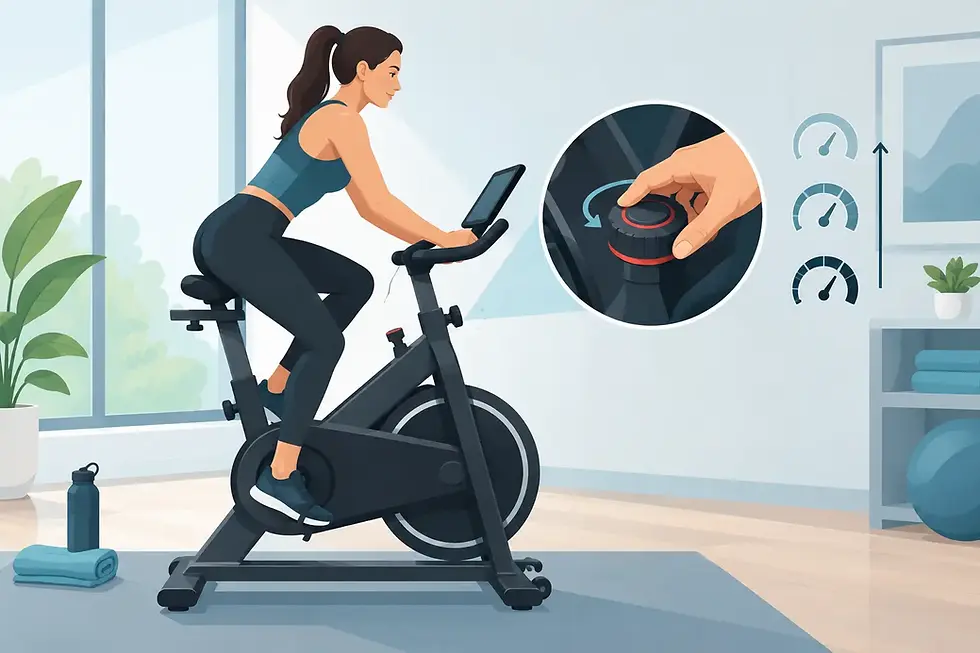
Indoor cycling is one of the strongest choices for beginners because it is structured, low-impact, and easy to personalize. You control your resistance, your pace, and how hard you want to push. That means two people can take the same class and have completely different effort levels without anyone needing to know.
It also removes a barrier that scares a lot of people off from group fitness: coordination. You do not need to memorize a long sequence of moves. You clip in, follow the beat, and build confidence as you go. If the studio gets the tone right, it feels less like being judged and more like being carried by the energy in the room.
This is where class culture matters. A good beginner ride should feel fun, not intense for the sake of intensity. Music helps. So does an instructor who gives clear cues and reminds you that no one is here to be perfect. At Sync Cycle, that spirit is simple - smile, sweat, sing. For first-timers, that kind of no-pressure environment can make all the difference.
2. Yoga
Yoga is often recommended to beginners, and for good reason. It builds body awareness, flexibility, balance, and control without requiring a high level of fitness on day one. It can also be a smart way to ease back into movement after a long break.
That said, yoga is not automatically easy. Some classes move fast, use unfamiliar terms, or expect you to know common poses already. If you are new, look for beginner yoga, slow flow, or foundations classes rather than jumping straight into advanced vinyasa or hot yoga.
Yoga works best for people who want a calmer pace and do not mind learning form gradually. If you are looking for stress relief as much as exercise, it is a very solid place to start.
3. Pilates
Pilates is a favorite among beginners who want to get stronger without feeling thrown into a high-impact workout. It focuses on core strength, posture, control, and alignment. The movements can look small, but they work.
The trade-off is that Pilates can feel deceptively technical. Tiny adjustments matter, and beginners sometimes need a few classes before the cues click. That is normal. A strong instructor can help you understand what muscles you are meant to use instead of just copying the shape of the movement.
If you sit at a desk all day, deal with posture issues, or want a workout that feels precise rather than chaotic, Pilates can be a great fit.
4. Dance cardio
If you hate workouts that feel repetitive, dance cardio can be one of the best beginner friendly fitness classes to try. It turns movement into something social, upbeat, and less serious. You are there to move, not to look polished.
The catch is obvious: rhythm and choreography. Some dance classes are beginner friendly in theory but move so quickly that first-timers spend half the session trying to catch up. Others are genuinely welcoming and build the routine in a way that makes it easy to join in.
This option is best for people who are motivated by music and energy. If you would rather laugh through a missed step than count reps in silence, dance cardio may keep you consistent.
5. Strength training classes for beginners
Beginner strength classes can be excellent if your goal is to build muscle, improve bone health, and feel stronger in daily life. A well-run class teaches basic movement patterns like squats, presses, hinges, and rows in a controlled way.
This format works especially well for people who feel intimidated by the gym floor but still want the benefits of resistance training. Instead of figuring everything out alone, you get coaching and structure.
The main thing to watch is class design. Some strength classes use the word beginner loosely and still move at a pace that feels rushed. The better option is a class that prioritizes form, gives modifications, and does not treat heavier weights as the goal for everyone.
6. Barre
Barre blends small strength movements, balance work, and endurance training. It is often low-impact, which makes it appealing to beginners who want a challenge without jumping or sprinting.
People are sometimes surprised by how intense barre feels. The movements are controlled and targeted, so the burn shows up quickly. But because the class usually follows a steady format, it becomes easier to understand after a session or two.
Barre is a good match if you like detail, posture-focused movement, and a workout that feels graceful but still effective. If you prefer bigger, more athletic movement, indoor cycling or strength might be more your speed.
7. Aqua fitness
Aqua fitness does not always get the spotlight, but it deserves a place on this list. The water reduces impact on your joints while still giving you resistance, which makes it a smart option for beginners, older adults, or anyone easing back into exercise.
It can also be less intimidating than a studio environment for people who worry about keeping up. The pace is often manageable, and the class tends to attract a wide range of fitness levels.
The downside is mostly practical. Access can be limited, and class schedules are not always as convenient as indoor studios. But if comfort and joint support are top priorities, it is worth considering.
How to choose the best beginner friendly fitness classes for you
The best class is not the one that sounds the most impressive. It is the one you will actually return to.
If you want high energy without high impact, indoor cycling is hard to beat. If you want calm and control, yoga or Pilates may feel better. If motivation comes from fun and music, dance cardio could be the winner. If your goal is building strength, look for an actual beginner strength class, not just a tough class with lighter weights.
It also helps to think about personality, not just fitness goals. Some people need a dark room and loud playlist to stop overthinking. Others want a slower pace and more individual correction. Neither is better. It just depends on what makes you feel comfortable enough to keep showing up.
A few green flags before you book
Before trying a class, check how the studio talks to beginners. Do they explain what first-timers can expect? Do they mention modifications, setup help, or arrival guidance? Do they sound welcoming, or do they sound like they are talking only to regulars?
Pay attention to the emotional side too. A beginner-friendly class should feel supportive, not performative. You should leave feeling challenged, yes, but also encouraged. A little post-workout soreness is fine. A sense of dread about going back usually means the fit is wrong.
Starting fitness does not need to be dramatic. It can be simple. Pick a class that feels approachable, let yourself be new, and give it more than one try before deciding. The right room will not ask you to prove anything. It will just help you move, breathe, and feel a little more at home in your body.


Comments