
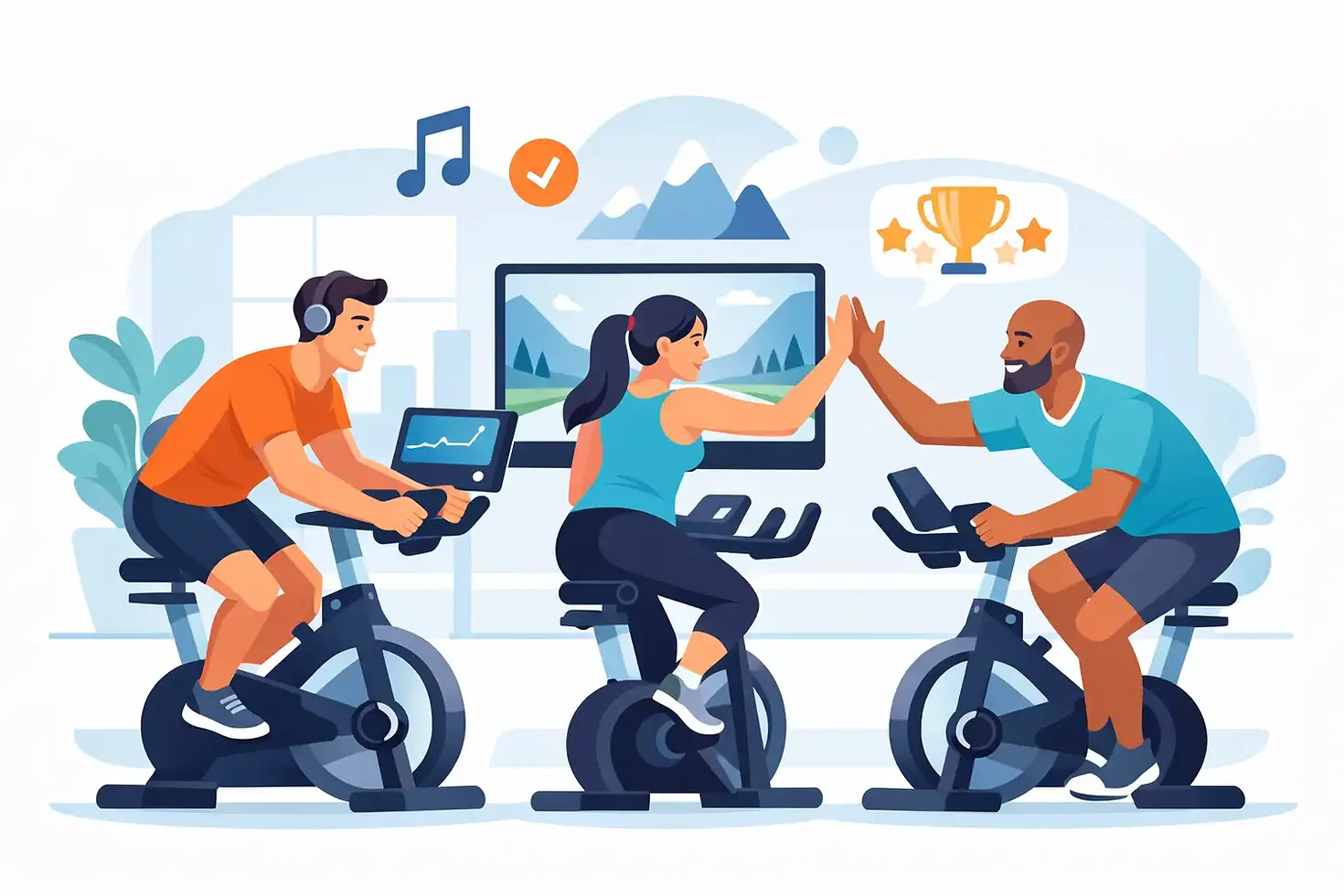
Indoor Cycling Made Fun for Every Rider

Some workouts make you negotiate with yourself before you even leave the house. Indoor cycling is usually not one of them. When the lights drop, the playlist kicks in, and the room starts moving together, it feels less like forcing yourself to exercise and more like showing up for a really good hour.
That is a big reason people keep coming back. Not because it is easy, and not because every class feels the same, but because it blends structure, energy, and community in a way that makes fitness feel lighter. You can work hard, clear your head, and still leave smiling.
Why indoor cycling clicks for so many people
Indoor cycling works because it removes a lot of the friction that stops people from exercising consistently. You do not need perfect coordination. You do not need to guess what workout to do. You do not need to compete with the person next to you. You just clip in, follow the ride, and let the class carry you.
For beginners, that matters. One of the biggest barriers to trying a new workout is the fear of looking lost. A good cycling class makes that fear smaller. The bike stays in one place, the instructor guides the room, and the effort can be adjusted to your level. That means your first ride can feel challenging without feeling chaotic.
For regular riders, the appeal is a little different. Indoor cycling gives you a reliable reset. Some days you come for the sweat. Some days you come for the music. Some days you just want to switch your brain off for 45 minutes and be told what to do. All of those are valid reasons to ride.
What indoor cycling actually trains
People often think of indoor cycling as just cardio, but that is only part of the picture. Yes, your heart rate goes up. Yes, you will sweat. But a well-designed ride also builds lower-body strength, muscular endurance, and mental grit.
When resistance increases, your legs have to push harder. When the pace picks up, you train your ability to recover and respond. When you ride through climbs, sprints, and seated work in one class, you are not just burning energy. You are learning how to sustain effort.
There is also a practical benefit. Because the bike is low impact compared with some other studio workouts, indoor cycling can be a more approachable option for people who want intensity without a lot of jumping or pounding. That does not mean it is easy. It just means the challenge comes from effort, control, and consistency rather than impact.
Why the room matters more than people think
Not all indoor cycling experiences feel the same. The bike matters, the coaching matters, and the programming matters, but the atmosphere matters too.
A room can either make people feel welcome or make them feel like they need to prove something. That difference changes everything. When the vibe is supportive, first-timers relax faster. Regulars ride harder because they feel safe enough to push. Nobody is wasting energy worrying whether they belong there.
That is why music-driven classes have such staying power. Rhythm helps the ride feel more intuitive, and good playlists change the emotional tone of the workout. A climb can feel gritty. A sprint can feel electric. A recovery track can feel like exhaling after a long day. It is fitness, yes, but it is also mood management.
The best studios understand this. They know people are not only buying a workout. They are choosing how they want to feel when they walk in and how they want to feel when they leave.
Indoor cycling for beginners: what to expect
If you have never tried a class before, the unknown is usually the hardest part. Once you know what happens, the nerves tend to settle.
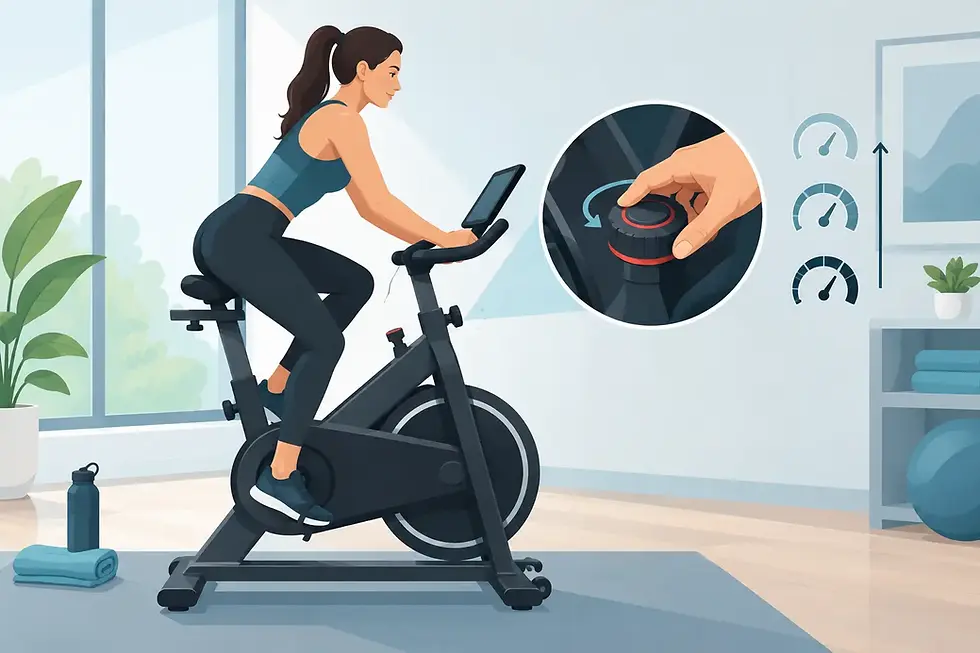
You will usually start by getting your bike set up. That means adjusting the seat and handlebars so you can ride comfortably and safely. If the studio is beginner-friendly, someone will help you with this. You are not supposed to magically know your settings on day one.
Once class starts, the instructor will guide the ride through different sections. Some parts may be faster, some heavier, some more recovery-focused. You control your resistance, which means you choose how intense the ride feels in your body. That is the part many first-timers do not realize. You can participate fully without matching every cue perfectly.
Expect to feel a little awkward at first. That is normal. The rhythm, the bike, and the terminology can take a class or two to click. But awkward does not mean you are bad at it. It just means you are new.
How hard should indoor cycling feel?
The honest answer is: it depends on the day.
Indoor cycling can be a hard workout, but it does not need to be all-out every single ride. Some classes are built to push your threshold. Others are more about steady effort, musicality, or confidence-building. Even within the same class, your version of hard may look different from someone else's.
That flexibility is one of its biggest strengths. You can ride for performance, stress relief, consistency, or fun. None of those reasons is more valid than the others.
There is also a trade-off worth mentioning. If you always keep the resistance too light, you may miss some of the strength and endurance benefits that make cycling so effective. But if you treat every class like a test, burnout can creep in fast. The sweet spot is learning when to push and when to simply show up, move, and enjoy the ride.
What makes a great class worth repeating
A great ride is not only about sweating more. It is about wanting to come back.
That usually starts with coaching that feels clear, encouraging, and human. You want guidance, not pressure. You want motivation, not theater for the sake of it. The best instructors know how to create energy in the room without making anyone feel small.
Consistency matters too. A good studio gives you enough structure to feel progress, but enough variety to keep things fresh. One week you might crave a heavy climb. The next, you might want a ride that feels more like a release than a challenge.
Then there is the community piece. This matters more than many people expect. When people recognize you, when staff remember your name, when the whole experience feels rider-first, it becomes easier to make class part of your routine. That is often the difference between trying indoor cycling once and actually building a habit around it.
Is indoor cycling a good fit for your routine?
If you want a workout that is guided, efficient, and high on energy, indoor cycling is a strong option. It works well for busy schedules because classes are structured and time-bound. You can show up, ride, and get on with your day without spending half the session figuring out what to do.
It is also a good fit for people who like being around others but do not necessarily want the pressure of team sports or highly competitive training environments. You get the lift of a group setting while still riding at your own level.
That said, indoor cycling does not have to be your only workout. For some people, it pairs well with strength training. For others, it sits nicely alongside walking, yoga, or personal training. If your goal is overall fitness, the best routine is usually the one you can stick to without dreading it.
The real reason people fall in love with indoor cycling
It is not just the calorie burn. It is not just the playlist. It is not even just the endorphins, though those help.
People fall in love with indoor cycling because it makes effort feel shared. You walk into a room carrying stress, hesitation, or plain old fatigue. Then the music starts, the lights shift, and suddenly you are part of something. You are still doing the work, but you are not doing it alone.
That feeling is powerful. It turns exercise from a task into a ritual. A fun one. A repeatable one. The kind that fits real life because it gives something back right away.
At Sync Cycle, that is the heart of the ride: smile, sweat, sing. If a workout can make room for all three, it stops being something you have to survive and starts becoming something you actually look forward to.
If you have been waiting until you feel fitter, more confident, or more ready, this is your reminder that readiness usually shows up after the first class, not before it.


Comments