

How Often Should Beginners Spin Each Week?

Your legs may feel like jelly after your first ride, your shirt may be soaked, and somehow you may still be humming the last song on the playlist. That is the magic of a good spin class. But how often should beginners spin before the excitement turns into sore knees, tired legs, or a calendar that feels like another job?
For most new riders, two to three spin classes per week is a happy place to start. It gives your body time to adapt, lets you build confidence on the bike, and keeps the experience something to look forward to. Smile, sweat, sing, recover, then come back for more.
How Often Should Beginners Spin? Start With 2 to 3 Rides
Indoor cycling can look simple from the outside: sit down, pedal, follow the beat. In reality, it asks a lot from muscles that may not be used to sustained effort. Your quads, glutes, calves, core, and even your upper body are learning a new rhythm, especially if you are adding climbs, sprints, and choreography.
Two rides a week is a great starting point if you are new to structured exercise, returning after a long break, or balancing a packed work schedule. Space them out by at least a day or two. A Tuesday and Saturday rhythm, for example, gives your body plenty of room to recover while helping the habit stick.
Three rides a week can work well when you are already active, sleeping well, and feeling good after class. The key is not to treat every ride like a personal championship. One class can be your energetic, all-in sweat session; another can be about staying seated more often, choosing lighter resistance, and enjoying the music.
The goal is consistency, not collecting the most classes in a week.
Your First Month Can Look Like This
A gradual start protects the fun. Rather than jumping from zero rides to five, give your body a few weeks to understand what indoor cycling feels like.
In week one, try one or two rides. Use the first class to get comfortable with the bike setup, instructor cues, and your own breathing. You do not need to match every pace or every movement in the room. No pressure.
In weeks two and three, settle into two rides per week. Notice how your legs feel the day after class and whether you are recovering by the time your next ride arrives. Some soreness is normal when you are new. Feeling sharp pain, unusually heavy fatigue, or discomfort that does not ease is a sign to rest and reassess.
By week four, you may be ready for three rides if you genuinely want them. You might also decide that two rides feel perfect alongside walks, strength training, yoga, or a busy social life. That is not “less committed.” That is building a routine you can actually keep.
Recovery Days Are Part of the Ride
Rest is not a gap in your fitness plan. It is where your body adapts to the work you put in. When you pedal, particularly at higher resistance or speed, you challenge your muscles and cardiovascular system. Recovery helps you return stronger, steadier, and more ready to enjoy the next playlist.
Between spin classes, easy movement is often enough. A walk around the neighborhood, gentle stretching, mobility work, or a relaxed yoga session can help you feel less stiff without adding more intensity. Hydration, regular meals, and quality sleep matter too, especially after an evening class when it is tempting to rush straight back into work or errands.
If your legs feel pleasantly worked but recover within a day or two, your current frequency is probably reasonable. If stairs suddenly feel impossible for several days, reduce the number of rides or lower your intensity at the next class. A lighter ride still counts.
Let Your Body, Not the Bike Next to You, Set the Pace
Boutique cycling is wonderfully social. The room is dark, the beat is up, and it is easy to get swept along by the energy of riders around you. That shared buzz is part of the experience. It is not a reason to ignore your own limits.
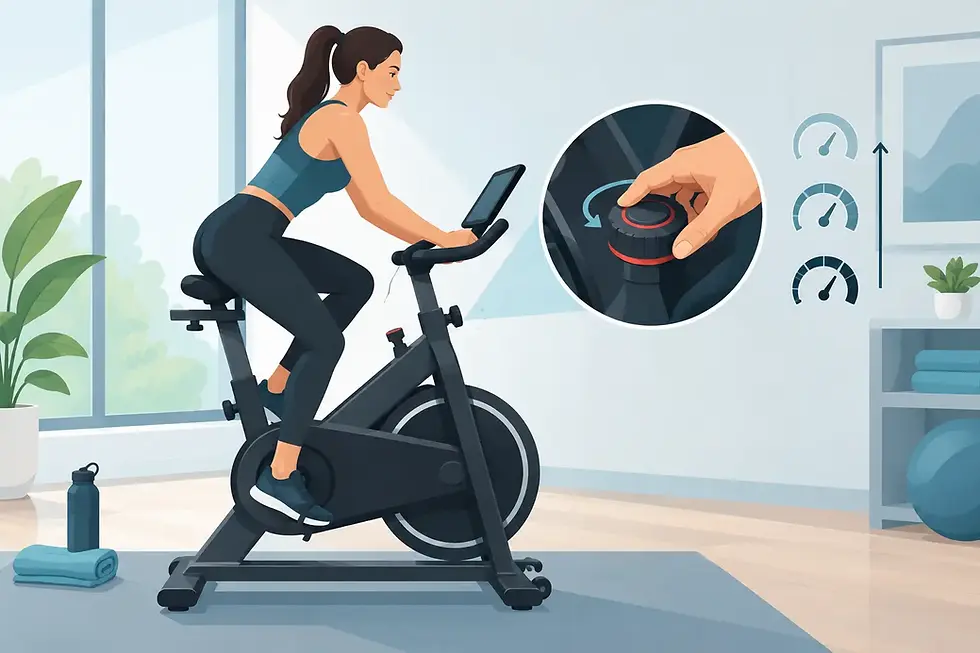
Resistance is your control knob. Add it when the instructor invites you to, but choose an amount that lets you pedal with stability and control. If your hips are bouncing in the saddle, your shoulders are tensing, or your knees feel strained, ease off. You are not falling behind. You are riding smart.
The same goes for out-of-saddle sections. Stand when it feels stable and skip it when it does not. New riders often gain more by practicing a strong seated position than by forcing every climb. Good form builds confidence, and confidence makes class more fun.
At Sync Cycle, the best first ride is not the one where you do every single move. It is the one where you leave feeling proud, energized, and excited to return.
When Can You Spin More Often?
Some beginners feel ready to ride four times a week after a month or two. That can be perfectly reasonable, but it depends on what those rides look like and what else is happening in your life.
You may tolerate more frequent cycling when you vary the effort. For example, you could have two challenging rhythm rides, one moderate ride where you stay in control, and one easy session focused on moving and having a good time. Riding hard every day is a different plan, and usually not a sustainable one for a beginner.
Consider your full activity picture. If you run, play sports, lift heavy weights, or stand for long hours at work, your legs already have a workload. More spin is not automatically better. If cycling is your main form of exercise, you may be able to add a class sooner, provided your recovery is solid.
A few signs you may be ready to increase from two or three rides include waking up with fresh legs, recovering well between sessions, feeling more secure on the bike, and wanting an additional class for the joy of it. The last part matters. Fitness that feels like a punishment rarely lasts.
Signs You Need to Pull Back
A tough class can leave you tired. That is normal. But persistent fatigue is different. Pay attention if your performance suddenly drops for several rides, your resting sleep is disrupted, your mood is unusually flat, or soreness lingers longer than expected.
Pain deserves special attention. Muscle soreness can feel tender and broad across the thighs or glutes. Joint pain tends to feel sharper or more specific, often around the knees, hips, ankles, or lower back. Stop if something feels wrong, and speak with a qualified health professional if pain persists or is severe.
Bike setup can also make a huge difference. A seat that is too low, too high, or too far forward may turn an enjoyable class into an uncomfortable one. Ask the instructor for help before the music starts. It is one of the smartest things a first-timer can do.
Make Spin a Habit You Look Forward To
The most effective weekly schedule is one that works with real life. Book a ride after work when you need to shake off a long day. Meet a friend for a weekend class. Choose a time that makes the studio feel like a bright spot in your week, not another obligation squeezed between meetings.
It also helps to define success beyond calories, numbers, or how drenched your shirt is. Maybe your win is clipping in without help. Maybe it is staying for the whole class, holding a little more resistance, or laughing when you lose the beat and jump right back in. Those are real signs of progress.
If you miss a week, do not try to make up for it with a punishing streak of classes. Return to the frequency that felt good before, then build again if you want to. Your fitness does not disappear because life got busy.
Start with two to three rides, give yourself recovery days, and adjust with honesty. The best spin routine leaves room for stronger legs, louder songs, and the simple feeling that you cannot wait for the next ride.


Comments