

Difference Between Spinning and Cycling

You do not need to know bike jargon to start riding. If you have been wondering about the difference between spinning and cycling, the short answer is this: cycling is the bigger category, while spinning usually refers to a specific indoor studio-style workout on a stationary bike, often led by an instructor and driven by music.
That simple answer helps, but it does not tell you what the experience actually feels like. And for most people, that is the real question. Are you looking for fresh air and road miles, or a lights-low, music-up class where you can show up, clip in, and just move? Both can be great workouts. They just ask for different things from you.
What is the difference between spinning and cycling?
Cycling is any form of riding a bike. That includes outdoor road cycling, mountain biking, commuting, leisurely rides in the park, and indoor bike training. It is the umbrella term.
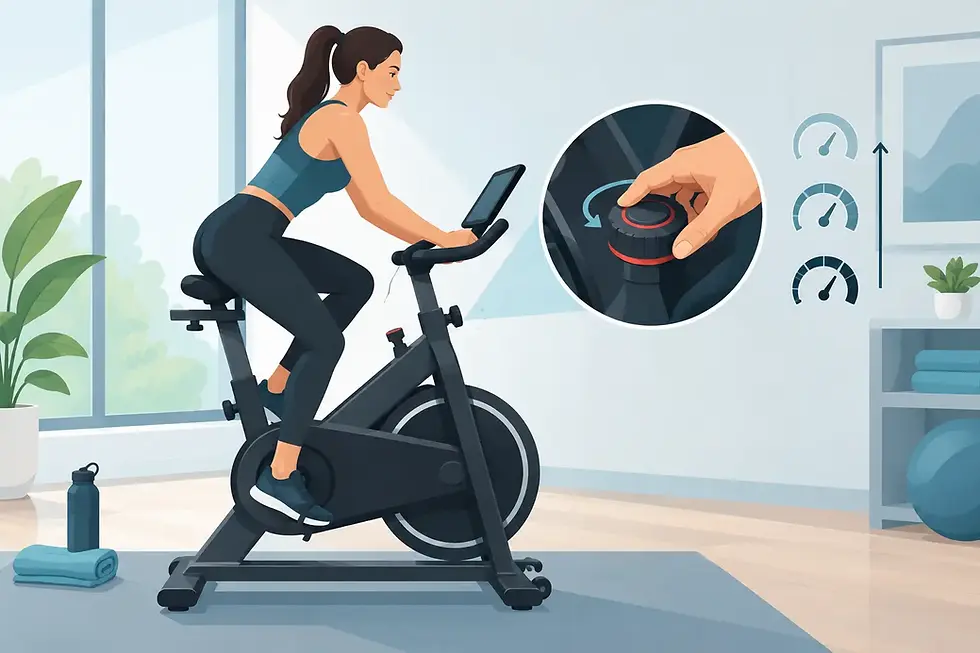
Spinning is a type of indoor cycling class. People often use the word casually to describe any studio bike workout, but the key idea is that it usually happens in a group setting, follows a coached format, and focuses on a choreographed ride experience built around rhythm, intervals, resistance, and energy in the room.
So if you want the cleanest distinction, cycling is the whole sport or activity. Spinning is one version of it.
The setting changes everything
The biggest difference is not just the bike. It is the environment.
Outdoor cycling gives you movement through space. You deal with roads, turns, weather, traffic, terrain, and pacing over real distance. That can feel freeing, but it also comes with logistics. You need a route, a bike in working order, safety awareness, and a bit more planning than simply booking a class.
Spinning happens indoors, which removes a lot of those variables. No rain checks. No traffic lights. No wondering whether your route is safe after work. You walk in, get set up, and ride. For busy adults, that simplicity is a big reason indoor classes feel easier to stick with.
The indoor setting also changes the emotional experience. Outdoor cycling can be peaceful and solo. Spinning is usually more social and more guided. There is music, structure, and a shared energy that can make 45 minutes pass a lot faster than you expected.
How the workout feels
This is where people usually notice the split right away.
Outdoor cycling often has a natural rhythm shaped by the road. You might coast downhill, stop at intersections, or shift your effort depending on wind and terrain. Even a hard outdoor ride has moments where the environment decides the pace.
Spinning is more controlled. The resistance is intentional, the intervals are planned, and the coach cues the ride. You may move through climbs, sprints, seated pushes, and standing efforts in a much tighter format. That can make the session feel more focused and, for some people, more motivating.
If you like being told what to do so you can stop thinking and just ride, spinning tends to be a great fit. If you like exploring, pacing yourself, and being out in the world, cycling may feel more natural.
Neither is automatically harder. It depends on the class, the route, your fitness level, and how you ride. A beginner-friendly spin class can feel more approachable than a long outdoor ride. But a high-energy spin session can also be brutally effective if you want a challenge.
Equipment and skill level
Cycling outdoors usually has a higher barrier to entry. You need access to a bike, and depending on the kind of riding you want to do, you may also want a helmet, lights, padded shorts, water bottles, basic maintenance knowledge, and confidence on the road. None of that is impossible, but it can feel like a lot when you are just starting.
Spinning trims that down. The bike is already there. The setup is guided. The ride is contained. For first-timers, that can take away a lot of the stress.
There is still a learning curve, especially with seat height, handlebar position, resistance, and pedaling form. But you do not need to master traffic rules or gear shifting on day one. You just need to show up ready to try.
That is one reason indoor cycling studios tend to attract people who want fitness without the intimidation factor of getting every technical detail right from the start.
Goals matter more than labels
The better question is often not, Which one is better? It is, What do you want from your workout?
If your goal is endurance, outdoor adventure, commuting, or training for actual road distance, cycling makes sense. It trains real-world riding and builds comfort with handling a bike over time.
If your goal is efficient cardio, stress relief, a motivating class environment, and a workout that fits neatly into a packed schedule, spinning often wins. You can get a lot done in under an hour, and the atmosphere can carry you through the tougher moments.
Some people want both. They ride outdoors on weekends and take spin classes during the week. That combo works well because spinning can build fitness without relying on perfect weather or extra travel time.
Spinning vs cycling for beginners
For many beginners, spinning is the easier entry point.
That may sound surprising if you have heard spin classes are intense. Some absolutely are. But intensity can be adjusted. What matters is that the format is guided, predictable, and contained. You are not worrying about traffic, balance on uneven roads, or whether you picked the wrong route.
A good class lets you control resistance, pace yourself, and take breaks when needed. That makes spinning more beginner-friendly than people assume, especially for those who feel nervous about joining fitness spaces.
Outdoor cycling can still be beginner-friendly too, especially casual neighborhood rides or park routes. But it usually asks for more self-direction. If you are someone who feels more comfortable with clear guidance, a music-led indoor ride may feel like a softer landing.
What about calories and fitness results?
People love this question, but the answer is not very glamorous. Both spinning and cycling can improve cardiovascular fitness, leg strength, stamina, and overall health. Both can burn a meaningful number of calories. The bigger factor is consistency.
Spinning has one clear advantage here: it is easier to standardize. A 45-minute class has a set duration and a purposeful workout design. That structure can make progress feel easier to track.
Outdoor cycling can be more variable. One ride might be gentle and scenic. Another might be long, hilly, and demanding. That flexibility is part of the appeal, but it also means results depend heavily on how you ride.
If you are choosing based on fat loss or fitness alone, the best option is usually the one you will actually keep doing. The workout that fits your life beats the perfect workout you keep postponing.
The community factor
This is where spinning has a real edge for a lot of people.
Cycling outdoors can absolutely be social, especially if you join group rides. But many people start out alone, and the experience can feel more independent.
Spinning is built around shared energy. You are in a room with other riders, moving through the same effort together. Add good music, a welcoming coach, and a no-pressure atmosphere, and the workout starts to feel less like a task and more like something you look forward to.
That emotional piece matters. Fitness is not just about mechanics. It is also about whether a space makes you want to come back. At a studio like Sync Cycle, that rider-first energy is part of what turns exercise from something you should do into something you actually enjoy.
Which one should you choose?
Choose cycling if you want the outdoors, real-world riding skills, changing scenery, and the freedom to set your own pace and route.
Choose spinning if you want structure, convenience, upbeat energy, and a cardio workout that feels supported from the moment you walk in.
Choose both if you like variety and want the best of each. There is no rule saying you have to pick a side.
The difference between spinning and cycling is real, but it does not have to be a debate. One is not the serious option while the other is just for fun. Fun is a valid reason to work out. In fact, it is often the reason people stay consistent.
If you are still undecided, start with the version that feels easiest to say yes to. The best ride is the one that gets you smiling, sweating, and coming back for another round.


Comments